Is it common to defecate during labor?
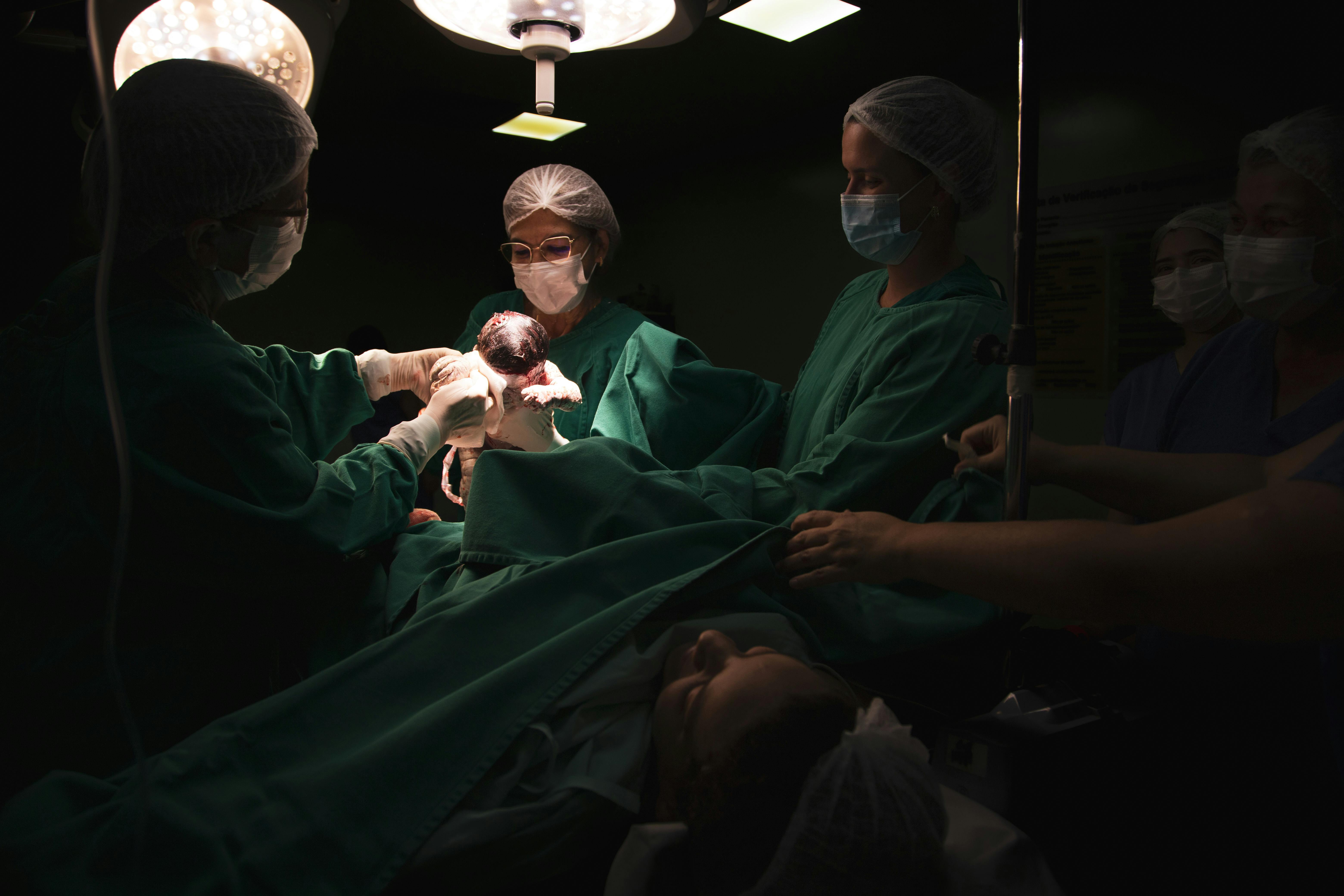
Normal childbirth is a natural and incredible process, but it is also surrounded by many myths and taboos. One of these taboos is pooping during childbirth, something that many women fear and avoid discussing. Let’s demystify this issue and understand why pooping during childbirth is absolutely normal and even a cause for celebration for humanized professionals.
It is with naturalness and a dash of humor that the brazilian doula Kalu Brum, 37, from São Paulo, addresses the subject of pooping during childbirth. A taboo among women who seek to give birth naturally and one of the reasons why many pregnant women shy away from it, for fear of embarrassment, the elimination of feces and gas during the expulsion of the baby is, according to Kalu, absolutely normal and even a cause for celebration among humanized professionals.
“When a woman goes into labor, it is common to have diarrhea. In general, the pregnant woman goes to the bathroom several times. Throughout the process, contractions increase, and each time the uterus contracts, it forces the intestines. When the baby is crowning, the back of the head presses against the mother’s anus and rectum, so it is natural to poop,” she explains.
The presence of feces is seen by the team as a sign that the baby is about to be born, hence the celebration. “Of the 382 births I have attended, only two did not involve pooping. We are used to it. We simply clean it up, and most of the time, the woman doesn’t even notice, as she is in an altered state of consciousness thanks to the hormones oxytocin, serotonin, and dopamine, which are released at that moment.”
Temporary Blackout
Hormones, explains Kalu, cause a kind of temporary blackout in the neocortex, the most evolved part of the cerebral cortex. “During childbirth, women activate their primitive brain, and instinctive and physiological functions are more liberated. Modesty and shame, which are more related to the neocortex, are turned off, unless someone draws attention to them, taking her out of her trance,” he says.
This is what happened to one of the pregnant women Kalu accompanied. “The girl was 18 years old and was already in the expulsion stage of labor when she began to eliminate feces. It was a hospital birth, and the obstetrician was deeply disturbed by this. He threw a gauze pad at me and said, ‘Clean this woman up, she’s all dirty. ’ When she realized what was happening, the pregnant woman felt very humiliated. She was ashamed, wanted to take a shower, and after that, the delivery was difficult. You could see that she was clenching her anus, and the doctor had to use forceps to deliver the baby.”
To make cleaning easier, the doula says she always carries wet wipes and incense to mask unpleasant odors.
Physiological process
In general, many secretions are involved in childbirth, says Kalu. “Those who work with this deal with secretions all the time, such as amniotic fluid and the mucus plug. So, gas and feces are just part of the package.”
To avoid surprises for the pregnant woman and her companions, Kalu says she usually talks to the family beforehand, explaining that excretions may occur. “I joke that the closest comparison, in my opinion, is sex. There is glamour, kissing, and caressing, but there are also secretions, noises, and odors that are not always pleasant,” she says.
Most pregnant women, due to a certain idealization of childbirth, try to find out if it is possible to prevent this from happening. To put the problem into perspective, she says, it is necessary to understand the birth of a baby as a physiological process, in which the body controls events. “The body is wise, and the best thing to do is to relax, surrender, and let go of everything, especially the perineum, the pelvic floor muscles located between the anus and the vagina.”
Fishing with a sieve
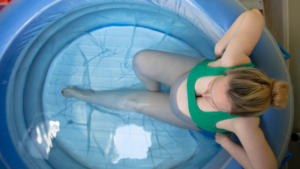
In cases of water births, Kalu says it is common to use a sieve to “fish” the poop out of the water. In the past, doctors recommended that pregnant women have an enema before giving birth. “This is terrible because it softens the feces, which ends up running down the legs, causing an embarrassing situation. Although it is recommended that women eat during labor, most have no appetite and produce little feces, which is usually solid. That’s why we recommend bringing a sieve, like the ones used for juice, to fish out the poop from the water,” she says.
Kalu’s passion for childbirth began after she had her own son, Miguel, now nine years old, naturally. “I had a planned, quick, and pleasant home birth, and as a journalist, I saw that I needed to tell other women that it is possible. So I started a blog, and today I have a website on the subject, Vila Mamífera. When my son was three, I took a doula course and haven’t stopped attending births since.”
If you are pregnant and planning a natural birth, know that pooping during the process is completely normal. Don’t feel embarrassed, as professionals are prepared to deal with it. The important thing is to focus on the arrival of your baby and celebrate this unique and special moment.
Doulas play a key role in welcoming and accompanying women. They are trained to deal with this situation in an empathetic and calm manner. First, the doula reassures the woman in labor, explaining that the elimination of feces is absolutely normal and part of the process. She offers emotional support, ensuring that the woman feels comfortable and not embarrassed. In addition, doulas are prepared to assist with hygiene, using wet wipes and incense to minimize unpleasant odors. The main focus is always on the well-being of the mother and baby, celebrating each stage of this unique and special moment.


0 Comments