Benefits of home birth

Changes in the childbirth scenario
Until the end of the 19th century, most births took place in the homes of pregnant women and were assisted by midwives and companions—mostly female—who belonged to the family or local community. However, with the advancement of modern medicine, the institutionalization of childbirth in hospitals led to the use of interventions on women’s bodies to speed up the birth process. Childbirth was no longer seen as a natural, physiological event and became centered on the figure of the doctor.
After World War II (early 1940s), the birthing process became fully institutionalized, with interventionist protocols being incorporated into hospital routines by most health professionals. As a result of this phenomenon, unnecessary medical procedures are abusively applied to women in labor, without their consent or right to understand the real need for such interventions—which today constitutes cases of obstetric violence, due to the physical and psychological trauma involved. Furthermore, childbirth has become the exclusive merit of the medical team responsible, robbing women of their protagonism in this very special moment.
Demand for the choice of home birth
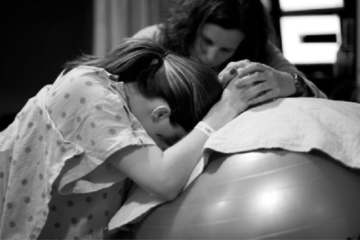
With the greater popularization of feminist agendas, women’s demands for the right to control their bodies have highlighted the desire of pregnant women to have the most humanized birth possible, with their wishes respected, their protagonism guaranteed, and in the presence of a companion of their choice. As a result, the choice of home birth has been increasing among expectant mothers.
The World Health Organization (WHO), as well as the International Federation of Gynecologists and Obstetricians (FIGO), recognize women’s right to choose where to give birth and the benefits of home birth when assisted by qualified professionals. In 1996, the WHO published the document “Normal Birth Care: A Practical Guide – Report of a Technical Group,” which presents recommendations based on scientific data on practices related to the least institutionalized birth possible, aiming to guarantee women’s rights, promote changes in the scenario of unnecessary interventions, and question procedures performed without scientific evidence or routine. This report also contains guidelines on home birth and its advantages. In Brazil, these recommendations were published by the Ministry of Health in 2000.
Benefits of home birth
With proper planning and monitoring, there are a number of benefits to choosing home birth:
- A welcoming environment for the mother;
- Respect for the pregnant woman’s wishes;
- Guaranteed autonomy for the woman;
- Freedom to choose who accompanies her;
- Fewer medical interventions;
- Freedom to choose positions;
- Freedom to choose therapeutic practices (music, essential oils, lighting, among others);
- Freedom to eat and drink;
- Promotion of dilation, related to the relaxation and ability of the mother to deliver;
- Reduced chances of infection by hospital bacteria (for mother and baby).
Challenges to be faced
Although the option of home birth has grown, the practice of surgical births is still predominant among pregnant women, and the choice of this method of birth is largely due to lack of knowledge and convenience rather than real need. Therefore, the discussion about home birth still needs to grow, breaking some taboos and myths, both among segments of society and in the health field.
It should be noted that, although this type of delivery takes place in homes, some monitoring is still necessary. The main health agencies recommend that the team responsible be multidisciplinary and include at least two professionals, which may vary between a doula, obstetric nurse, and obstetrician. This ensures the safety of both mother and baby.


0 Comments