Differences between types of delivery: Choices and Considerations

Childbirth is an exciting time, full of important decisions for expectant mothers. Understanding the differences between types of delivery is essential for making informed decisions and ensuring the well-being of both mother and baby. In this article, we will explore the main types of delivery, or birth routes, and their characteristics.
Normal Delivery
Normal delivery is considered the most natural way to give birth. It occurs when the pregnant woman goes into labor spontaneously and the baby is born through the vaginal canal. Some key points about normal delivery include:
- Full Dilation of the Cervix: In normal delivery, the cervix dilates completely, allowing the baby to descend.
- Optional Interventions: Although natural, normal delivery may involve interventions such as an episiotomy (a cut to enlarge the birth canal) or the use of medications.
- Golden Hour: After birth, it is important for the mother and baby to have the so-called golden hour, where they remain together for mutual benefits.
Natural Childbirth
Natural childbirth is even more minimalist in terms of interventions. In it, everything “follows the course of nature.” Main characteristics:
No Interventions: No medications or instruments are used. The mother trusts her own body to guide the process.
Respect for the Natural Rhythm: The baby is born according to the natural rhythm of labor.
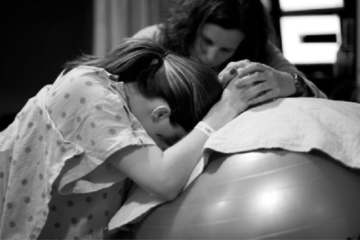
Essential Support: Emotional and physical support from the team is essential.
Instrumental Delivery
Instrumental or operative vaginal delivery refers to a delivery in which the operator uses forceps, vacuum extractor, or other devices to extract the fetus from the vagina.
The main indication is in cases where there is a prolonged expulsion period. Other indications include fetal compromise, cardiotocography with an alarming pattern, rotation dystocia, and final head during pelvic delivery. Maternal compromise must also be taken into account.
It is contraindicated in cases where there are fetal bone or hemorrhagic disorders, non-insinuated presentation, unknown position variety, or abnormal presentations suspected of absolute cephalopelvic disproportion.
Cesarean section
Contrary to common belief, a cesarean section is NOT DELIVERY, but rather fetal extraction surgery, i.e., it is a surgical procedure to remove the fetus when normal delivery is no longer possible. It is a surgical method of birth in which the fetus is extracted through an incision in the mother’s abdomen.
Cesarean section is recommended when there is maternal or fetal risk. It is a surgical procedure involving a deep incision in the tissues from the epithelium to the abdominal muscles. The woman does not feel pain because she is anesthetized.
Regardless of the type of delivery chosen, having a multidisciplinary team is essential. In addition to the obstetrician, obstetric nurses, physical therapists, and doulas can offer support and assist in labor.
Remember that each pregnant woman is unique, and the choice of delivery type should be made based on information, dialogue with professionals, and respect for individual needs.


0 Comments