The Lamaze Method and its benefits for childbirth
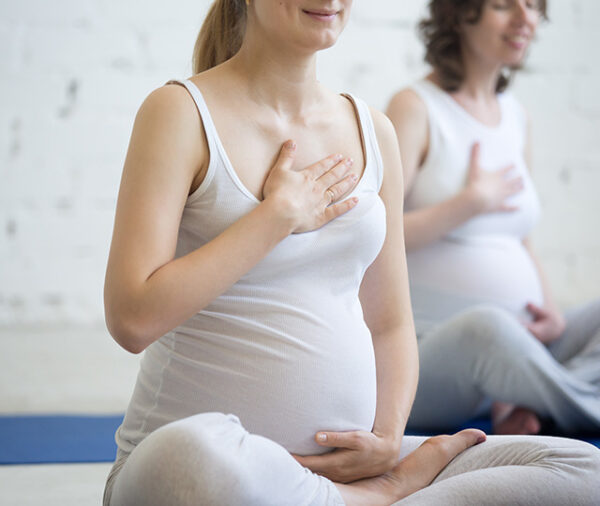
Although every birth is a different experience, the pain felt at that moment is a common concern among pregnant women. In this sense, methods of preparation and relief for childbirth have become popular in recent decades and attracted more attention among expectant mothers. One of the best known is the Lamaze Method: a set of physical and psychological actions that lead the woman in labor to understand the physiological functions of childbirth, resulting in a change in the old belief that childbirth must be painful.
History and main studies
The method that aims for “painless childbirth” was created by French obstetrician Fernand Lamaze in the late 1950s. In his studies in the former Soviet Union, the doctor learned about the use of hypnosis for childbirth preparation in local maternity wards and became interested in the methodology. Lamaze compiled his studies and reports from women he had treated in his book “Painless Childbirth,” published in 1956. This work sought to reinforce the value of his method by affirming its validity and scientific nature, with teachings that criticize the trivialization of childbirth by medical teams.
The main studies of the method relate the pain felt during childbirth to the woman’s psychological state. From this perspective, it is explained that women in labor are conditioned—mainly by the hospital environment—to believe that this moment is a torture imposed by nature, involving unbearable suffering. In most cases, this association transforms the muscular contractions of the uterus—felt at the beginning of childbirth—into greater pain, due to muscle cramps that react to psychological pain.
The pain, therefore, is real, but stems from a misinterpreted cause. At birth, there are normal uterine contractions and the organic sensations that accompany them. However, these sensations are not usually interpreted as simple natural functions, due to conditioned reflexes; contradictorily, the central organs of our body intensify them because of psychological fear. Therefore, unnecessary fear of simple physiologically natural actions leads to the dominance of painful sensations.
The Lamaze method today
Currently, the Lamaze method is best known for its breathing maneuvers for women in labor (before, during, and between contractions). However, Lamaze’s proposal is not limited to such techniques. The method aims, above all, to provide the best and most complete preparation for pregnant women to welcome their children, teaching them to respect the changes in their bodies and the natural pain they must go through. Thus, its teachings advocate physical, psychological, and emotional preparation so that childbirth occurs spontaneously and with minimal pain.
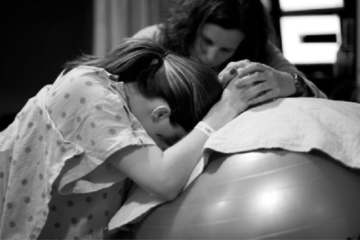
One of the most important philosophies of the method is the importance of the partner during pregnancy, childbirth, and postpartum. Especially at the moment of giving birth, the mother-to-be needs the support of her loved ones so that she feels comfortable welcoming her child. In this context, the companion (usually the parents) contributes to the progression of labor, making it more natural and welcoming.
In addition, pregnant women who follow the teachings of the Lamaze method are also encouraged to hire the services of a doula. This professional is 100% committed to the pregnant woman, providing professional advice and guidance before, during, and after this moment.
Therefore, Lamaze techniques promote more natural, humanized childbirth experiences with minimal pain. Its teachings also help many pregnant women around the world improve their labor outcomes and reduce the use of unnecessary medical interventions.


0 Comments