Foods to avoid during pregnancy
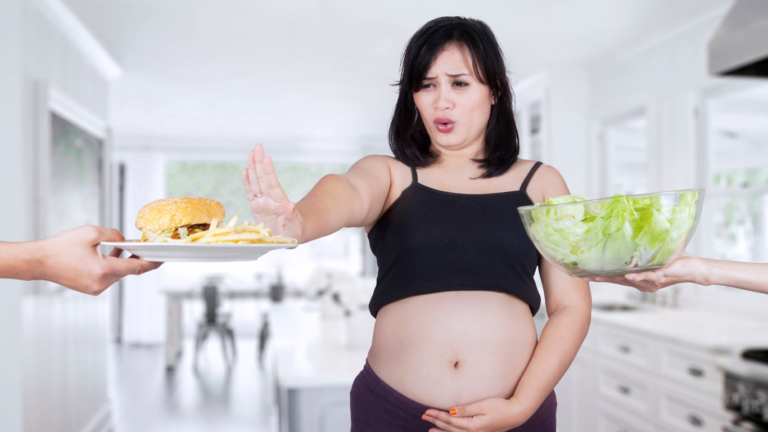
A healthy diet during pregnancy is essential for the healthy development of the baby and the well-being of the mother. Nutrients obtained through food play a key role in the formation of the fetus’s organs, proper growth, and the prevention of complications. But not all foods are allowed during this phase. Let’s take a look at what should be avoided during pregnancy.
- Fatty foods;
- Foods with a strong, unpleasant odor, as well as condiments (ketchup, pepper, mustard, and pickles);
- Fresh cheese made from unpasteurized milk (due to the risk of contracting brucellosis); Avoid raw milk and unpasteurized cheeses, as they may contain harmful bacteria.
- Raw or undercooked meat (due to the risk of toxoplasmosis); this includes red meat, chicken, fish, and seafood. Cook thoroughly to avoid the risk of contamination.
- Seafood, mayonnaise, and raw eggs: (due to the risk of salmonella); Avoid consuming raw or partially cooked eggs, as they may contain bacteria such as Salmonella.
- Foods that increase gas formation, such as cabbage, cauliflower, and carbonated beverages.
- Excess Caffeine: Reduce your consumption of coffee and other caffeinated beverages. Excess caffeine can affect fetal development.
- Artificial Sweeteners: Some artificial sweeteners, such as saccharin, should be avoided during pregnancy.
- Alcoholic Beverages: It is essential to avoid alcohol completely during pregnancy, as it can cause harm to the fetus.
Essential Foods During Pregnancy
In addition to avoiding the foods mentioned above, focus on a balanced diet with the following nutrients:
Protein: Eat lean meats, chicken, fish, eggs, and tofu.
Vitamin A: Include carrots, pumpkin, milk, yogurt, eggs, mango, and broccoli.
Vitamin B12: Get it from dairy products and eggs.
Omega-3: Consume flaxseed oil, avocados, nuts, and chia seeds.
Calcium: Milk, dark vegetables, and nuts.
Zinc: Find it in beans and nuts.
Iron: Consume beans, peas, chickpeas, eggs, and green leafy vegetables.
Folic acid: Spinach, broccoli, kale, and beans are good sources.
Every pregnancy is unique, and it is important to consult a healthcare professional for specific guidance and follow a diet that includes fruits, vegetables, lean proteins, whole grains, and dairy products. Pregnancy is a special time, and taking care of your diet is a way to ensure a healthy future for your baby!
0 Comments